Early Care. Early Change: Orthodontics for Adults & Early Years
When it comes to interceptive orthodontics, the best time to act is usually earlier than most people think.
For children, that window is now.
For adults, it is never too late.
400+
2025
100%
Early Years Orthodontics
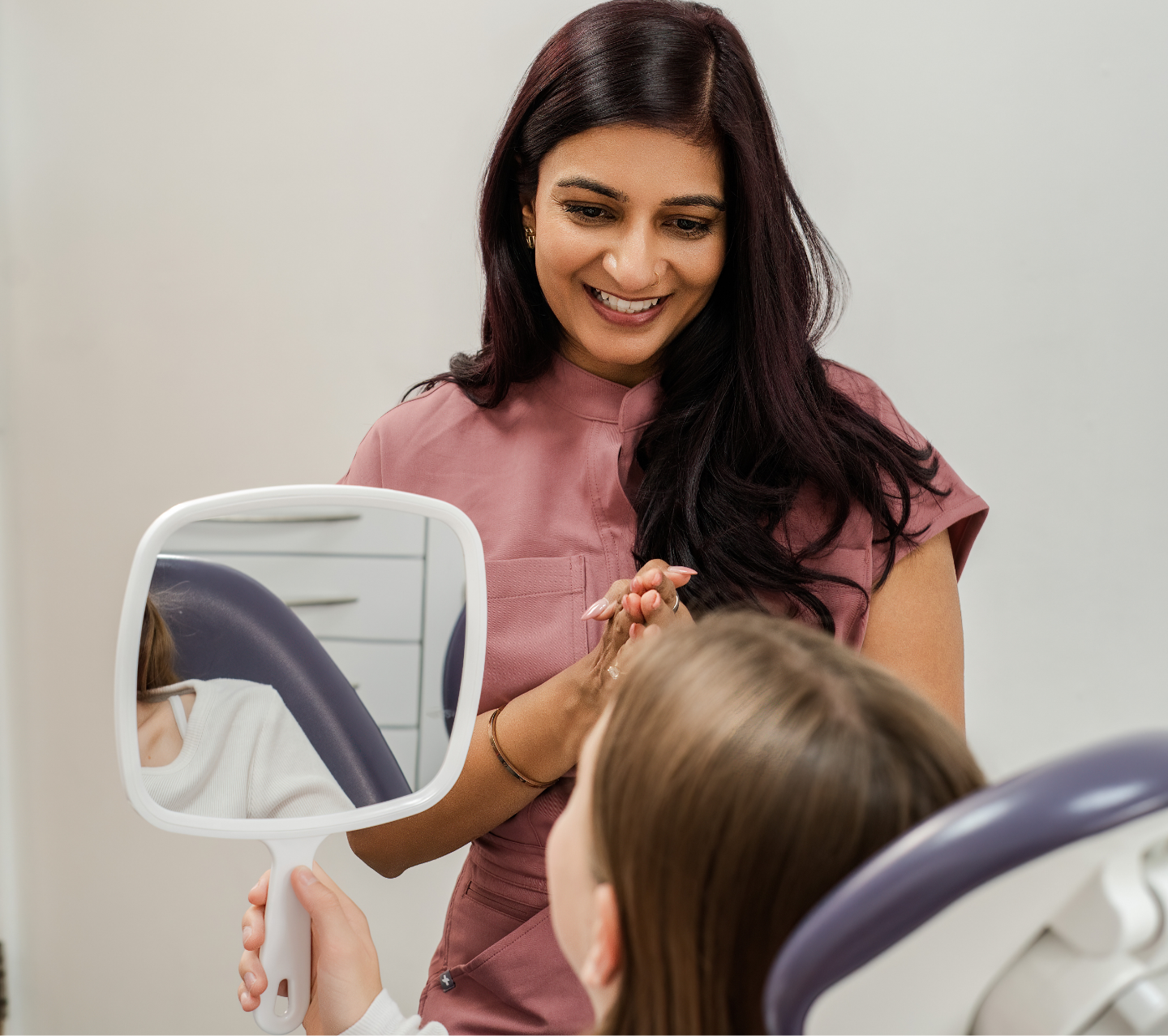
The growth window matters. Children aged 7–11 in mixed dentition are often the ideal time to act, before problems compound and options narrow.

Clear Aligner Therapy
Discreet, removable treatment for adults and teens — delivered with postgraduate clinical expertise and honest case selection.
Smile Design Makeovers
Alignment before aesthetics. The right sequence — orthodontics first, then bonding — produces results that look natural and last.
Early years: the window that closes.
Children aged 7–11 are in a growth phase that cannot be replicated later. The mixed dentition period — when baby and adult teeth coexist — is the single most important window in a child’s orthodontic development.
Most are told to wait. I have spent three years of postgraduate training learning exactly when waiting is a mistake — and what to do about it. Acting now does not mean more treatment. It usually means less.
“A narrow arch, a crossbite, a habit pattern — these are not cosmetic problems waiting to be fixed. They are functional issues shaping the face. The jaw responds to guidance during growth. After growth, the options narrow considerably.”
01. Narrow arches & crowding
Arch expansion during growth can create room naturally — reducing or eliminating the need for extractions later. The jaw responds to guided forces at this age in ways it simply cannot afterwards.
02. Crossbites with a jaw shift
A crossbite that causes the lower jaw to shift on closing is not just a dental problem — it affects the developing joint. Early correction eliminates the shift before it becomes structural.
03. Mouth breathing & habit patterns
Tongue thrust, thumb sucking, mouth breathing — habits during growth change the shape of the jaws. Addressing them early alters the trajectory. Leaving them changes the outcome permanently.
04. Protruding front teeth
Upper teeth that protrude significantly are at greater risk of trauma and affect confidence early. Reducing the overjet during the growth phase is efficient, stable and straightforward.

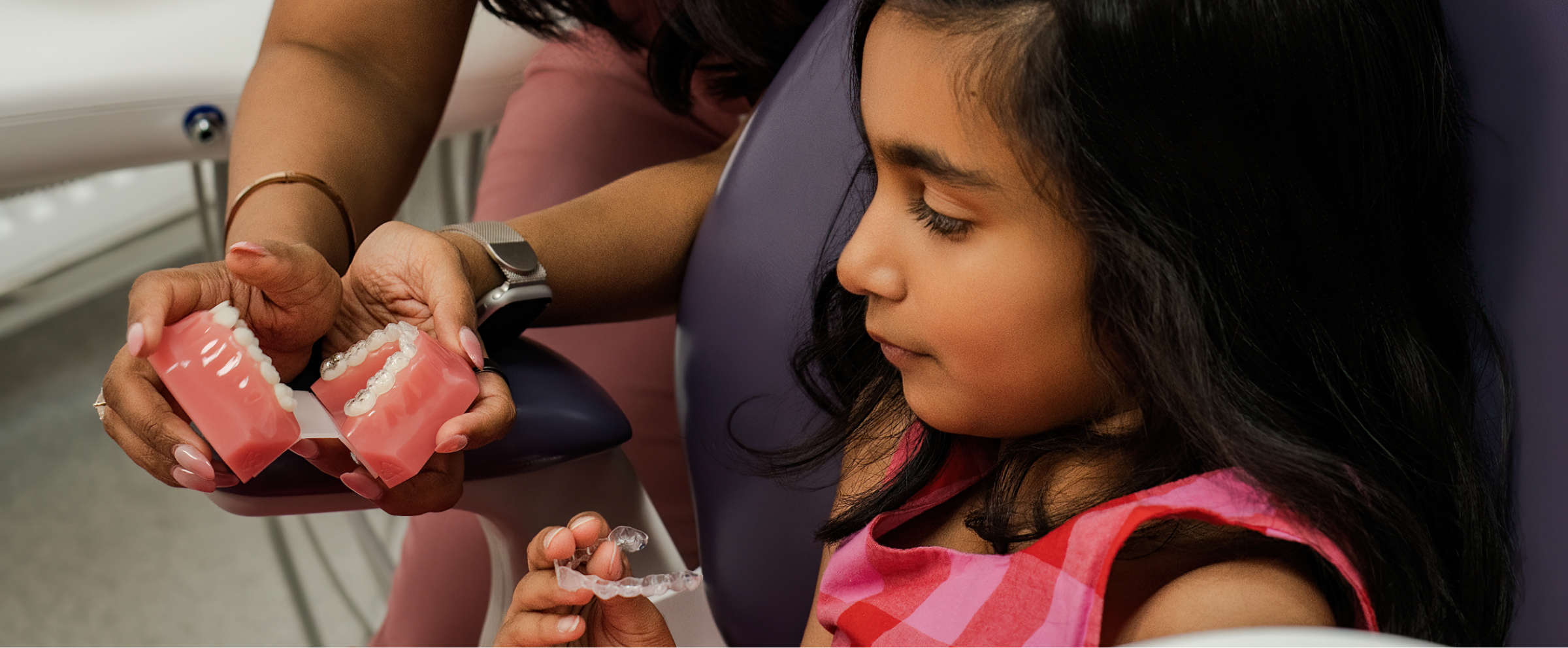
The right patients at the right time.
Orthodontics is not one-size-fits-all. Each age group has a different biology, different priorities and different windows of opportunity. I work across all of them.
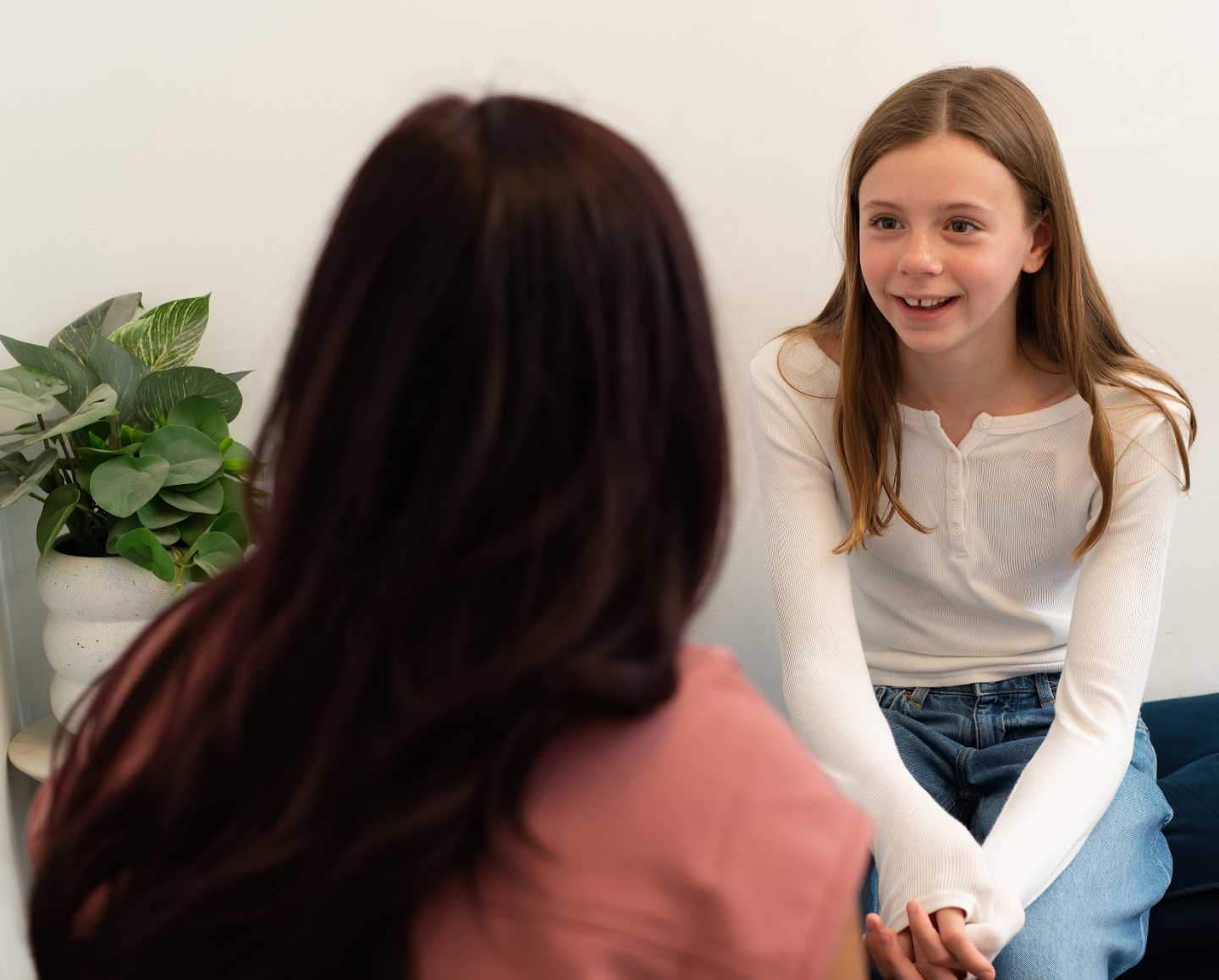
Invisalign First® (Aged 7-11)
The growth phase is an active window, not a waiting room. Early assessment identifies cases where acting now makes treatment simpler, shorter and more stable than waiting. Invisalign First® can help create space for developing teeth and address issues such as:
- Narrow arches and crowding
- Crossbites with a jaw shift
- Mouth breathing and habit patterns
- Proclined or protruding front teeth
Invisalign® for Teens (Aged 12-17)
Teenage years are the ideal time to correct crowding, spacing and bite concerns while the jaw is still developing. Invisalign® for Teens offers a discreet, comfortable alternative to fixed braces, allowing treatment to fit around school, sport and social life. With Invisalign® Virtual Care included, Dr Shivika can monitor progress remotely between appointments, providing greater accountability, encouraging better aligner wear and giving parents extra reassurance throughout treatment.


Young Adults & University Students (Aged 18+)
Orthodontics that fits around your next chapter.
Whether you’re starting university, moving away from home or beginning your career, Invisalign® treatment doesn’t have to be interrupted. With Invisalign® Virtual Care included as standard, much of your progress can be reviewed remotely through the My Invisalign™️ app, meaning fewer visits to the practice without compromising your care. It’s a flexible way to continue treatment wherever life takes you, with expert supervision every step of the way.
Adults Considering Clear Aligners
There is no upper age limit for orthodontic treatment. Adults in their 30s, 40s and beyond regularly achieve excellent results — from straightforward cases to severe crowding and complex bite correction.
- Crowding — from moderate to severe
- Spacing, gaps and midline shifts
- Complex bite issues and extractions
- Relapse from previous treatment
- Pre-restorative alignment
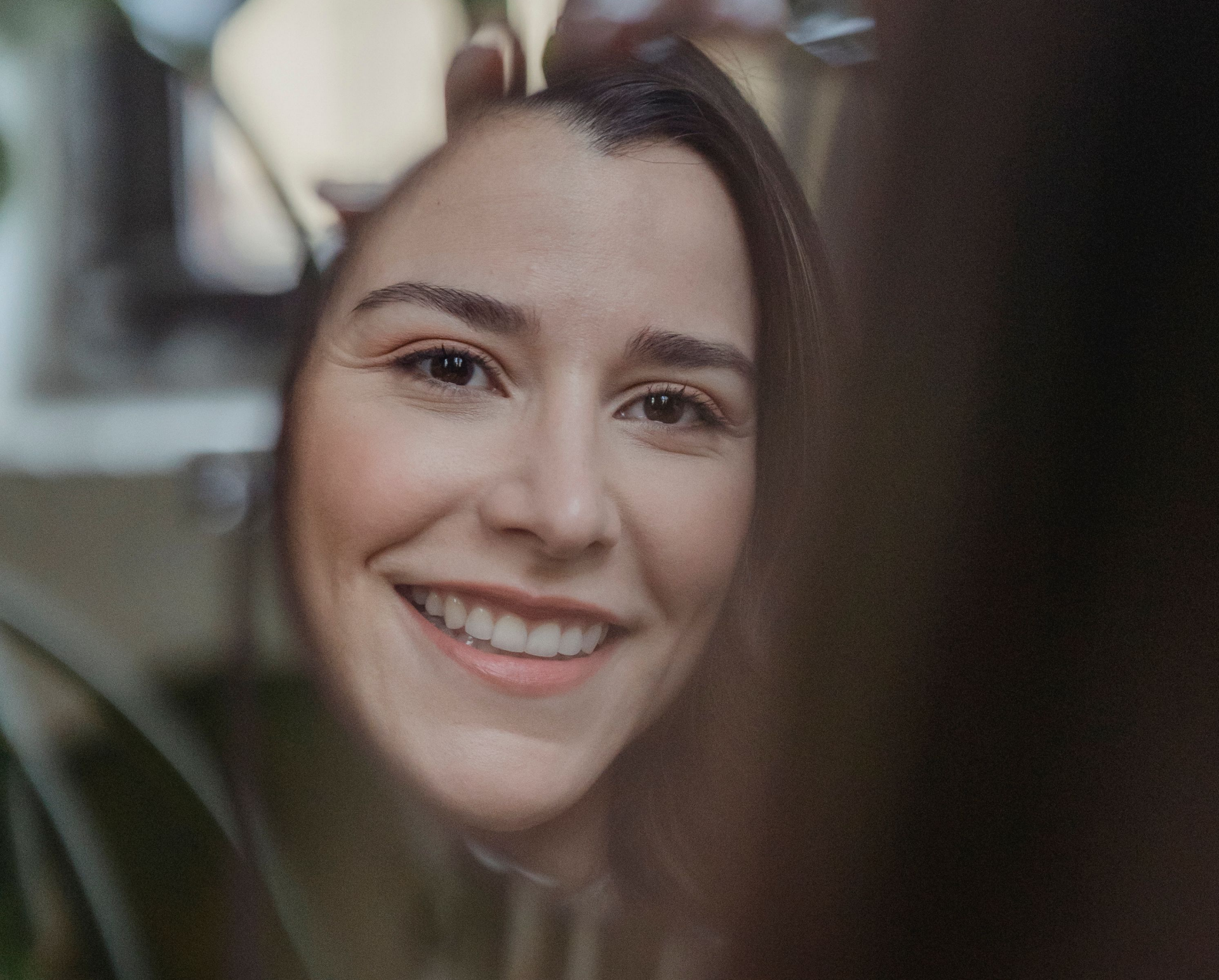
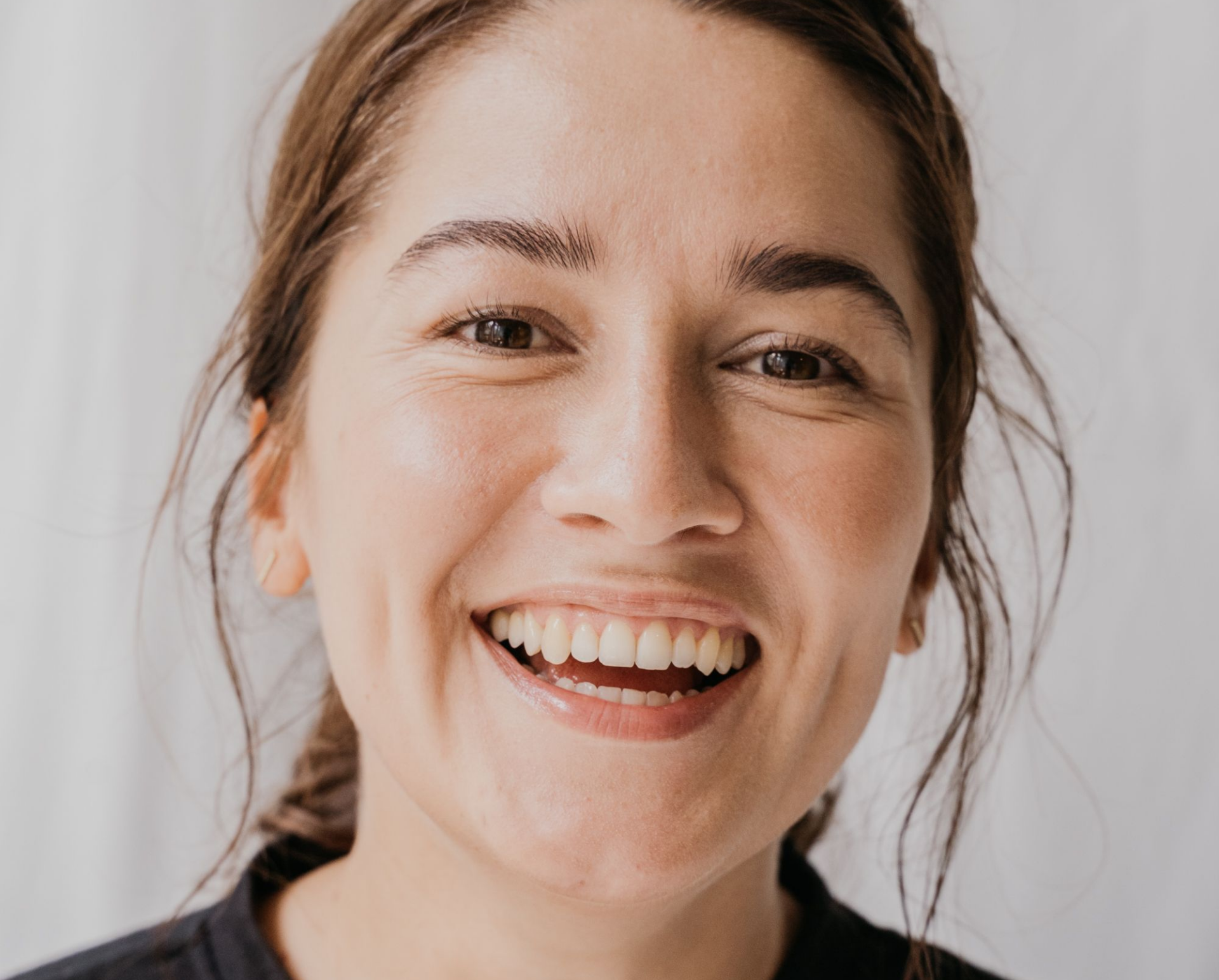
Anyone Considering a Smile Makeover
Alignment before aesthetics. Composite bonding planned in the right sequence produces results that look natural and last longer. The foundation matters as much as the finish.
- Smile design consultation
- Aligner treatment first where indicated
- Composite bonding and refinement
- Conservative and reversible where possible
“The best time to assess a child’s bite is during the mixed dentition phase — not after all the adult teeth have come through. By then, the window has often closed.”
Honest. Considered. Clinically led.
Good orthodontic outcomes start with good case selection and honest conversations about what treatment can and cannot achieve. I will not take a case I cannot deliver well.
01. The consultation is clinical, not commercial
We discuss your goals, take clinical records and I give you my honest assessment — including whether treatment is appropriate, and why.
02. Treatment is planned in the right sequence
Orthodontics before aesthetics. Growth before alignment. The order matters, and I will explain why yours is structured the way it is.
03. You are involved at every stage
No surprises. You will know what is happening, why, and what the next step is. Especially for children — parents are central to the process.
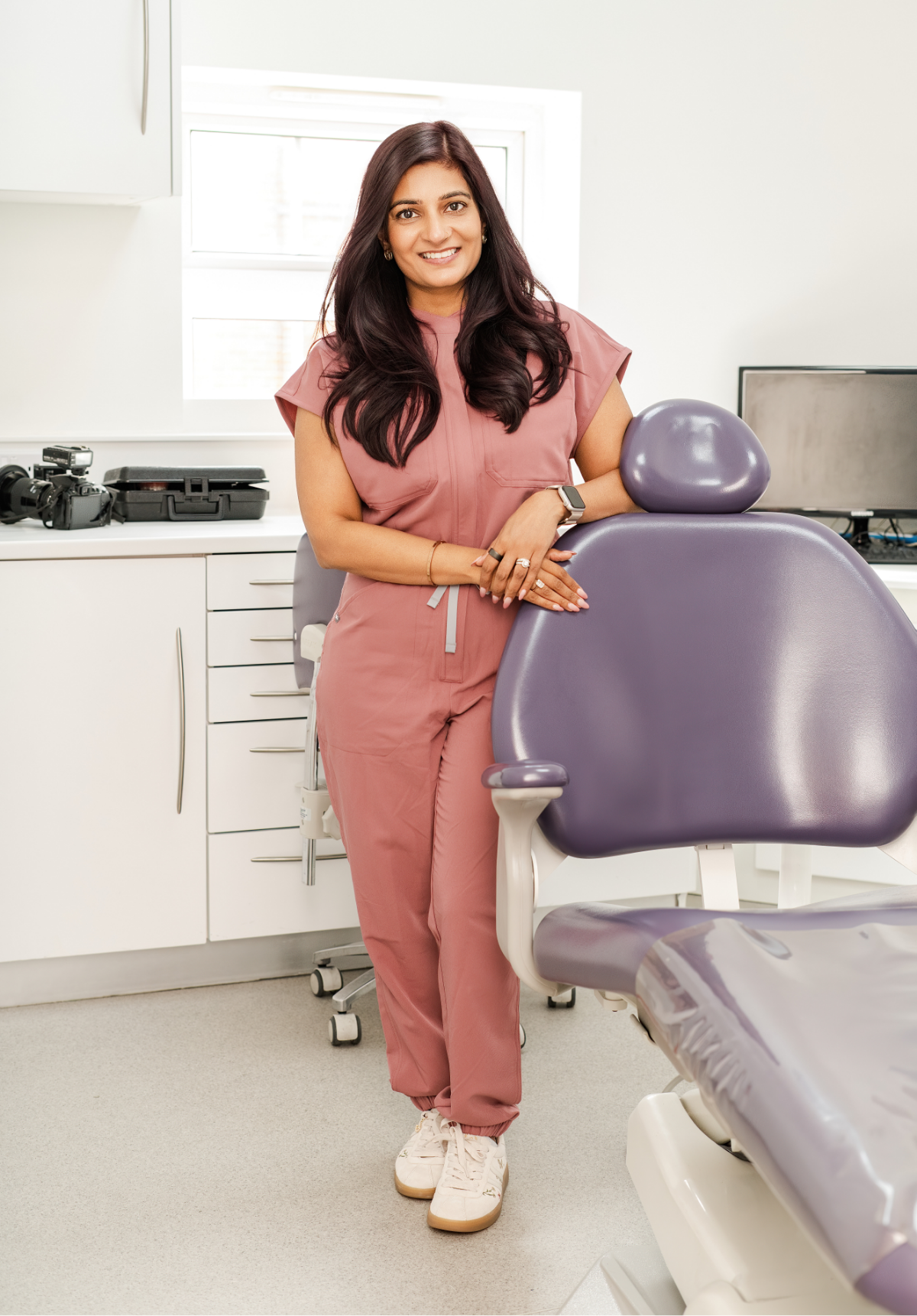
My passion for orthodontics is personal.
As a child, I benefited from early orthodontic treatment myself. That experience gave me not only a confident smile, but also an appreciation of how the right treatment at the right time can have a lifelong impact.
Today, I’ve completed over 400 Invisalign cases and am proud to be a Platinum Elite Invisalign® Provider and one of the leading Invisalign® providers in Buckinghamshire. I have a particular interest in early interceptive orthodontics, helping children, teenagers and adults achieve healthy, confident smiles with personalised Invisalign treatment.
Every treatment is individually planned by me, combining clinical expertise with Invisalign Virtual Care™ to provide exceptional care, greater convenience and the best possible outcomes.
My philosophy is simple: treat every patient as though they were a member of my own family.

Principal Invisalign® Clinic
The home of Dr Shivika’s Invisalign® service, offering consultations for children, teenagers and adults, with digital scanning and Invisalign Virtual Care™.
105 High St, Chesham HP5 1DE

Building this properly. Every step.
Not dabbling. Dedicated.
Most GDPs offering aligner treatment have brand certification. I have a postgraduate diploma, dedicated growing patient and young adult training, and an advanced diploma in clear aligners starting this September.
My clinical practice is now entirely focused on clear aligner therapy — mainly Invisalign. Every case, every appointment, every treatment plan reviewed personally.
400+
I bring the clinical skill, the training and the case management. Your team refers internally. Your patients access a service they cannot easily find elsewhere.
Case of the Year 2025
Aligner Dental Academy, February 2025
2009
Bachelor of Dental Surgery (BDS)
Government Dental College, Mumbai
GDC-registered 2012
No. 228522
2015-16
Six Month Smiles: Level 1 & Level 2
Fixed and removable short term orthodontics
2018
Invisalign® Certification
Align Technology
Provider since 2018
2023
Diploma in Clear Aligner Therapy
City of London Dental School
Completed July 2023
APEL recognised by University of Greater Manchester
2024
Mini Smile Makeover
Dipesh Parmar
2024
Complete Aligner Programme
Aligners (CAP)
February 2024
2025
Case of the Year Award
Aligner Dental Academy
February 2025
2026
Young Adults & Teenagers Course
Aligner Dental Academy
April 2026
2026
Growing Patients Programme
Aligners (CAP)
Vancouver
May 2026
2026
Advanced Diploma in Clear Aligners
Commencing September 2026
Aligner Dental Academy
Invisalign First
From £2,200
For children aged approximately 7–11 who still have a mixture of baby and adult teeth. Invisalign First can help create space for developing teeth, improve arch form and address certain bite concerns while your child is still growing.
Some children may later benefit from a second phase once their permanent teeth have erupted.
Invisalign Second
From £1,250
A shorter second phase for children who have completed Invisalign First and need further alignment once their adult teeth have come through.
Not every child will require this stage. Where it is likely to be needed, this will be discussed clearly during the initial consultation.
Invisalign Teens
From £3,000
For teenagers whose permanent teeth have largely erupted. Treatment can address crowding, spacing and bite concerns while fitting around school, sport and social life.
Invisalign Virtual Care is included, helping Dr Shivika monitor progress remotely, encourage consistent aligner wear and provide parents with greater reassurance.
Invisalign for Adults
From £3,000
Discreet, personalised clear aligner treatment for adults looking to improve crowding, spacing or bite concerns. Treatment can also be coordinated with composite bonding, veneers or implants where appropriate.
Additional Treatments
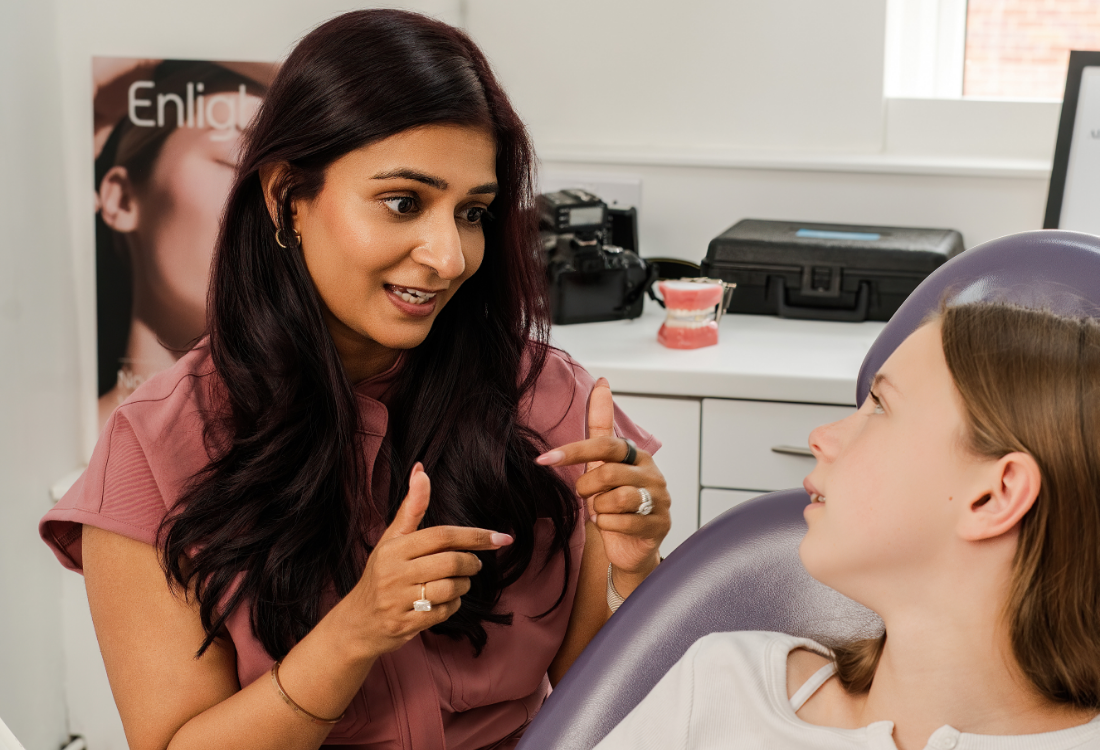
Some children may also benefit from palatal expansion where extra space or jaw development is required.
palatal expansion From £800
The need for this will be assessed during the complimentary consultation.
Flexible Payment Options
Treatment fees can be spread over at least 12 months, subject to the agreed payment plan.Your personalised fee will be confirmed after your consultation and will depend on the complexity and expected length of treatment.
family discounts
A 10% family discount is available for:
- Siblings undergoing treatment.
- Children of existing Invisalign patients.
Your Invisalign® Journey
Every smile is different, which is why every treatment plan is too.
Whether you’re considering Invisalign for yourself or your child, our goal is to make the process clear, comfortable and predictable from the very beginning. You’ll always know what to expect, why we’re recommending it, and what comes next.
From your first consultation through to your final retainer, you’ll be supported by Dr Shivika Shah and her team, combining expert clinical care with Invisalign Virtual Care to make treatment as convenient and efficient as possible.
Your Initial Consultation
Your consultation is about far more than deciding whether Invisalign is possible.
We’ll take time to understand your concerns, your goals and what you would like to change about your smile. Using digital scans, photographs and a detailed clinical examination, we’ll assess your teeth, bite and overall oral health before discussing all of your treatment options.
For children, we’ll also assess facial growth and jaw development to determine whether early intervention could reduce the need for more complex treatment later.
Most importantly, this is an honest clinical conversation—not a sales appointment. If we don’t believe Invisalign is the best option for you or your child, we’ll tell you.
Designing Your Smile
Once you’ve decided to begin treatment, we’ll create a fully customised digital treatment plan using Invisalign’s advanced 3D technology.
Before your aligners are even made, you’ll be able to see a digital simulation of how your smile is expected to change throughout treatment.
We’ll explain:
- your expected treatment length;
- how many aligners you’ll need;
- whether attachments or elastics are required;
- any limitations of treatment;
- whether refinements are likely;
Every treatment plan is individually designed by Dr Shivika to achieve the healthiest and most predictable result possible.
Receiving Your Aligners
When your aligners arrive, we’ll ensure they fit comfortably and teach you everything you need to know before you leave.
You'll learn:
- how to insert and remove your aligners;
- how to care for them;
- when to change to the next set;
- what is normal during the first few days;
- how Invisalign Virtual Care™ works.
Most patients adapt within a few days and quickly find aligners become part of their normal routine.
Living With Invisalign®
Your aligners should be worn for 20–22 hours every day, only removing them for eating, drinking anything other than water, and brushing your teeth.
Every one to two weeks you’ll move on to your next set of aligners, gradually guiding your teeth into their planned positions.
Most patients tell us they quickly forget they’re wearing them.
Invisalign Virtual Care™ Included
At many practices, you’ll be asked to attend routine appointments every 6–8 weeks, even if everything is progressing perfectly.We believe there’s a better way.
Using Invisalign Virtual Care™, you’ll regularly upload scans from home using your smartphone. Dr Shivika personally reviews your progress remotely to ensure your teeth are moving exactly as planned.
This means we can often identify potential issues earlier, answer questions more quickly and reduce unnecessary visits to the practice.
The benefits include:
- Fewer journeys to the practice;
- Earlier detection of tracking issues;
- Greater accountability for children and teenagers;
- More flexibility for university students and busy professionals;
- Continuous clinical oversight throughout treatment.
Rather than replacing face-to-face care, Virtual Care enhances it—ensuring every in-practice appointment is genuinely needed.
Refining Your Smile
Every patient responds slightly differently to orthodontic treatment.
Towards the end of treatment, we may recommend additional aligners—known as refinements—to perfect the final result.
This is a normal part of Invisalign treatment and reflects our commitment to achieving the very best outcome rather than settling for “good enough.”
Retaining Your Smile
Straightening your teeth is only half of the journey.
Without retainers, teeth naturally try to move over time.
We’ll provide a personalised retention plan and explain how to keep your new smile looking its best for years to come.
For most patients, retainers are worn overnight long-term to maintain the result you’ve worked so hard to achieve.
Tailored Around Your Life
For Parents
Children don’t just need great orthodontics—they need encouragement, accountability and regular monitoring.
With Invisalign Virtual Care™, Dr Shivika can review progress between appointments, helping identify problems early and encouraging children to stay on track.
Parents also gain extra reassurance, knowing treatment is being monitored more frequently than traditional orthodontics.
For Teenagers
School, sport, music lessons, exams and social life already keep teenagers busy.
Invisalign® allows treatment to fit around everyday life, while Virtual Care reduces unnecessary appointments and helps keep treatment progressing smoothly.
For University Students & Young Adults
Starting university or moving away from home shouldn’t mean putting your smile on hold.
With Invisalign Virtual Care, much of your treatment can be monitored remotely, meaning fewer visits back to the practice while maintaining the same high level of clinical supervision.
Whether you’re studying elsewhere in the UK or travelling during your course, we’ll help keep your treatment moving forward wherever life takes you.
For Adults
Whether you’re preparing for a wedding, planning cosmetic dentistry or simply investing in yourself, Invisalign® offers a discreet, comfortable way to straighten your teeth without interrupting everyday life.
Treatment is planned around your schedule with as little disruption as possible.
Ready to begin?
Whether you’re exploring treatment for yourself or your child, your consultation is an opportunity to ask questions, understand your options and receive honest clinical advice.
No pressure. No obligation.
Just a personalised assessment from a clinician who will recommend only what she genuinely believes is best for your smile.
Am I suitable for Invisalign®?
Most people with crowded teeth, gaps or bite concerns are suitable candidates. During your consultation, we’ll assess your teeth, bite and oral health before recommending the most appropriate treatment.
What’s the difference between Invisalign First and Invisalign Teen?
Invisalign First is designed for children aged approximately 7–11 who still have a mixture of baby and adult teeth. At this stage, treatment can guide jaw development and create space for erupting teeth.
Invisalign Teen is designed for teenagers whose permanent teeth have erupted and focuses on straightening teeth and correcting bite problems.
Will people notice I’m wearing Invisalign®?
Invisalign® aligners are made from clear medical-grade plastic and are designed to be discreet. Most people won’t notice you’re wearing them unless you tell them.
Does Invisalign® hurt?
Most patients experience gentle pressure for the first few days after changing to a new aligner. This is a sign that your teeth are moving and usually settles quickly.
How long does treatment take?
Most treatments take between 12 and 18 months, although simpler cases may be completed sooner and more complex treatments may take longer.Your treatment time depends on both case complexity and how consistently you wear your aligners.
What happens if I don’t wear my aligners enough?
Aligners only work when they’re worn. If they’re removed too often, your teeth won’t move as planned, treatment will take longer and additional aligners may be required.
Virtual Care helps us identify these issues early so we can get treatment back on track.
Will I need refinements?
Possibly. Many patients benefit from additional aligners towards the end of treatment to perfect the final result. This is a normal part of Invisalign and reflects our commitment to achieving the best possible outcome.
How often will I need appointments?
Thanks to Invisalign Virtual Care, many routine reviews can be completed remotely. You’ll still attend the practice whenever clinically necessary, but unnecessary appointments can often be avoided.
What happens if I lose an aligner?
Contact us as soon as possible. Depending on your stage of treatment, we’ll advise whether to wear your previous aligner, move to the next one or order a replacement.
Can I eat whatever I like?
Yes. Simply remove your aligners before eating or drinking anything other than water, then brush your teeth before putting them back in.
Is my child too young for Invisalign®?
Not necessarily. The ideal age for an orthodontic assessment is around 7 years old. Early assessment allows us to identify developing problems and, where appropriate, guide growth while children are still developing.
Is there an age limit?
Is there an age limit? No. We regularly treat adults of all ages. As long as your teeth and gums are healthy, Invisalign® can be an excellent option whether you’re 18 or 68.
Can Invisalign® be combined with composite bonding or implants?
Yes. In many cases, aligning the teeth first allows for a more conservative and aesthetic final result. Dr Shivika frequently plans Invisalign as part of a wider smile transformation, working closely with restorative colleagues where needed.
You already have the patients.
NHS general dental practices have a structural advantage in clear aligner therapy and early interceptive orthodontics that private specialist practices cannot replicate. You see these patients before anyone has identified a problem.
I am available for sessional work across Bucks and Herts — bringing the clinical expertise, the postgraduate training and the case experience. You provide the chair.
01. No setup costs to your practice
I bring the clinical skill, the training and the case management. Your team refers internally. Your patients access a service they cannot easily find elsewhere.
02. Your NHS list is full of suitable patients
Children in mixed dentition at routine recall. Adults who have mentioned their teeth for years. Teens who have been told to wait. They are already in your chairs.
03. Postgraduate-trained and actively building
Diploma in Clear Aligner Therapy, City of London Dental School. Growing patients and advanced diploma training. This is my entire clinical focus.
"The children who need early interceptive care are already sitting in GDP chairs across the country. The question is whether the clinician has the training to act on what they see."
Ready to find out what is possible?
Whether you are a patient considering clear aligner treatment, a parent wondering about early assessment for your child, or a practice owner thinking about what we could offer together — I would like to hear from you.
Fill out the enquiry form to get in touch with me.